Elevate Your Hair With Keratin Treatments: Perks and What to Discover
Keratin treatments have become increasingly popular as an effective solution for various hair concerns. These professional salon procedures aim to improve and fortify hair by enriching it with natural keratin. While many pursue this treatment for its remarkable frizz-reducing benefits, knowing about its application and upkeep is crucial. As individuals consider this option, they often wonder about the specific benefits and what they can anticipate during the process. The journey begins with an assessment of individual hair needs and concerns.
What Exactly Is a Keratin Treatment and How Does It Operate?
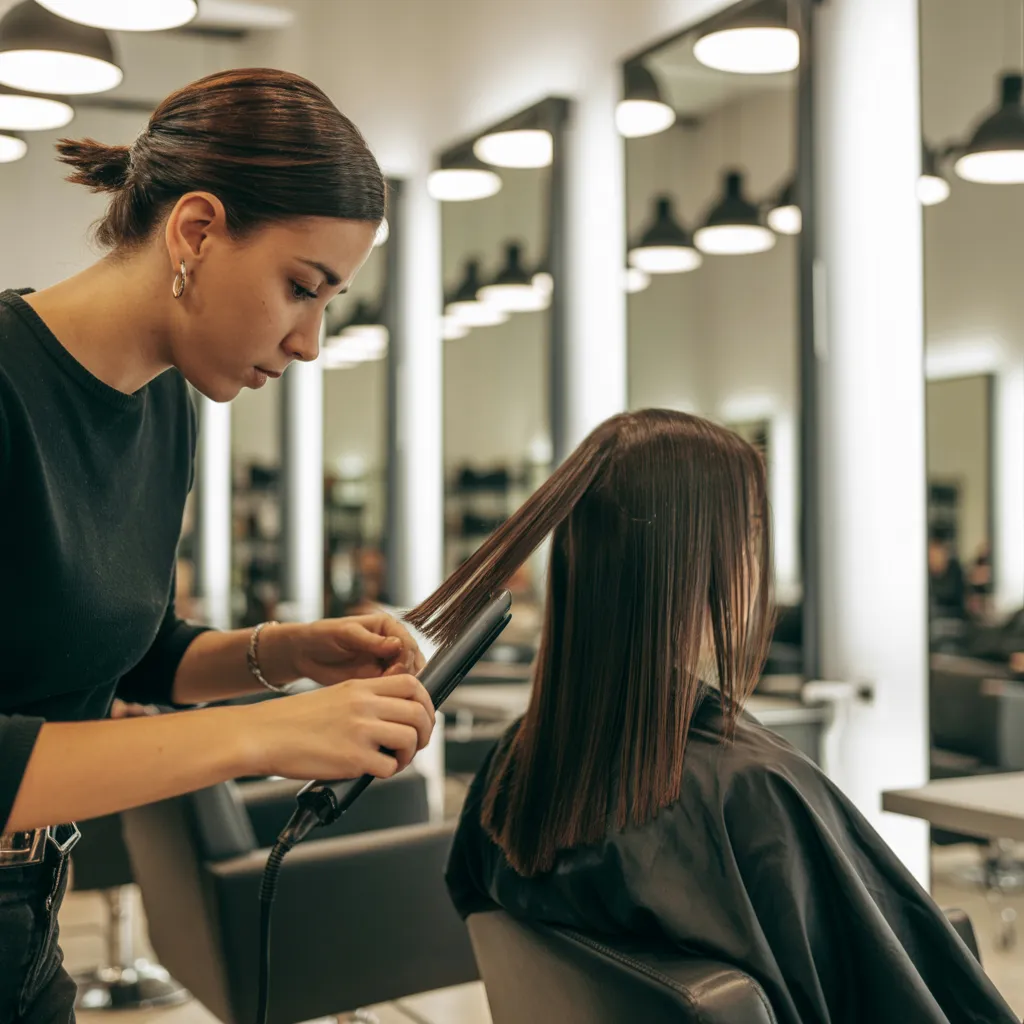
A keratin treatment is a professional salon service designed to reduce frizz and fortify hair. This treatment requires applying a keratin-based formula to hair strands, which is then sealed in using a flat iron's heat. Keratin, a protein naturally found in hair, skin, and nails, works to repair and protect the hair's integrity. During the process, the treatment works into the hair cuticle, repairing gaps and restoring its strength.
Usually extending a few weeks to several months, the benefits of a keratin treatment can produce enhanced manageability, reduced frizz, and improved shine. Clients often notice that their hair grows more manageable and easier to work with. Even though the treatment proves helpful across a wide range of hair types, it is important for clients to seek guidance from an experienced stylist to guarantee the best possible results and correct application. In summary, keratin treatments remain a sought-after solution for those seeking smoother, healthier hair.
Who Is a Good Candidate for a Keratin Treatment?
Those with curly hair types commonly pursue keratin treatments to control their texture and minimize styling time. Likewise, those who struggle with frizz can take advantage of the smoothing benefits of keratin, leading to a more polished appearance. These treatments offer a viable solution for individuals hoping to improve their hair's manageability and shine.
Curly Hair Varieties
Curious about which curl patterns can take advantage of a keratin treatment? Individuals with wavy to tightly coiled curls often find keratin treatments highly effective. These treatments can help refine the hair cuticle, decreasing unruly texture and improving overall control. For those with medium to thick curly hair, keratin can substantially reduce the time spent styling while promoting healthier hair. Additionally, people who struggle with dryness and fragility may notice revitalized shine and softness post-treatment. However, it is critical for those with particularly delicate curls to seek professional advice, as excessive keratin can weigh down delicate strands. Ultimately, people aiming to manage wild curls or keep their waves defined may consider keratin treatments a valuable option for achieving their desired look.
People Prone to Frizz
Numerous individuals struggling with frizz frequently look for ways to manage their unruly hair, and keratin treatments can be a beneficial choice. These solutions function by introducing keratin, a naturally occurring protein, into the hair shaft, relaxing the cuticle and minimizing frizz. Well-suited for people with wavy or coarse hair types, keratin treatments help create a polished look while enhancing manageability.
In addition, they can considerably cut down styling time, improving the efficiency of daily routines. As results can differ based on individual hair types and treatment specifics, many experience smoother, more manageable hair for weeks to months. Those thinking about this treatment are encouraged to seek advice from a professional stylist regarding their unique needs and goals, to ensure the most suitable method is chosen for their hair's distinct qualities.
Leading Benefits of Keratin Treatments for Frizzy Hair
Keratin treatments offer a range of benefits for individuals dealing with frizzy hair. Chiefly, these treatments penetrate the hair with keratin, a natural protein that helps to strengthen and soften the hair shaft. This treatment considerably minimizes frizz, allowing for a sleeker and more manageable appearance.
In addition, keratin treatments boost shine and encourage a more nourished look, making hair appear radiant and healthy. They also contribute to reduced styling time, as the hair gets easier to dry and shape.
Furthermore, these treatments provide defense against humidity, one of the main triggers of hair frizz, by establishing a barrier that keeps moisture out.
Furthermore, keratin treatments can enhance the general quality of hair, making it gentler and more flexible. For individuals with unruly hair, these improvements can lead to a transformative experience, enhancing self-esteem and streamlining everyday hair maintenance.
What Happens at Your Keratin Treatment Appointment
What takes place during a keratin treatment session can often be a source of curiosity for individuals considering this hair care option. At the start, the stylist will assess the client's hair condition and type to identify the right keratin formula. Once a comprehensive consultation is complete, the client's hair is washed with a clarifying shampoo to clear away any buildup.
Subsequently, the keratin treatment is applied section by section, guaranteeing uniform coverage. The stylist will then use a flat iron to seal the keratin into the hair, which works to deliver the ideal smoothness and shine. This treatment can take a few hours, depending on hair length and thickness.
Throughout the visit, clients can expect a soothing atmosphere, typically featuring gentle music. It is vital for guests to express any questions with their hair professional for the finest results. By the close of the visit, guests can depart with a stunning new hairstyle, ready to enjoy their new look.
Post-Treatment Guidelines: Tips for Maintaining Smooth Hair
After a keratin treatment, adequate aftercare is crucial for keeping hair smooth and healthy. It is recommended to hold off on washing your hair too soon, rely on sulfate-free formulas, and reduce heat styling to extend the longevity of the treatment. Following these guidelines can preserve the sleek, polished finish you achieved.
Skip Washing Straight Away
To preserve the benefits of a keratin hair treatment, one essential step is allowing the hair to settle without washing it immediately. This initial period, usually running 48 to 72 hours, is essential for the keratin to adhere properly with the hair strands. Washing prematurely can interfere with bonding, diminishing the treatment's longevity and effectiveness. During this time, one should minimize exposure to moisture, including rain and humidity, as these can also negatively affect the treatment. It is best to abstain from styling with heat or tying the hair back tightly, which could cause unwanted bends. By honoring this crucial timeframe, individuals can guarantee their hair remains sleek, lustrous, and easy to style for an longer period.
Switch to Sulfate-Free Products
Following the initial waiting period, preserving the advantages of a keratin hair treatment requires deliberate selection of products. A key consideration is choosing sulfate-free products. Sulfates, commonly found in many shampoos and conditioners, can deplete the hair of its natural oils and the keratin from the treatment. This can lead to frizz and diminish the smoothness achieved. Opting for sulfate-free alternatives helps preserve the treatment's effects, ensuring hair stays hydrated and manageable. Furthermore, these products tend to be milder on the scalp, minimizing irritation. When shopping for a shampoo or conditioner, look for labels explicitly stating "sulfate-free". This easy modification can considerably improve the durability of a keratin treatment, ensuring that hair remains sleek and shiny for an extended period.
Limit Heat Styling
Minimizing heat styling is crucial for maintaining the results of a keratin hair treatment. Excessive use of heat tools, such as flat irons and curling wands, can reduce the treatment's effectiveness and longevity. In place of this, individuals are advised to adopt air drying and heat-free styling methods when feasible. When heat styling is necessary, using a heat protectant spray can help protect hair from damage, reducing the risk of frizz and breakage. Moreover, opting for minimal heat configurations can further preserve the hair's integrity. By monitoring heat usage, individuals can maximize the smooth, sleek results of their keratin treatment, guaranteeing that their hair remains vibrant and healthy for a greater duration.
How Long Will a Keratin Treatment Last?
How long do keratin treatments actually last? The longevity of keratin treatments can vary based on several factors, including your hair type, the treatment formulation chosen, and how well you maintain aftercare. In most cases, results tend to last from three to six months. Those with coarser or frizz-prone hair may find their treatments lasting toward the higher end of this timeframe.
Proper aftercare is essential in maintaining the effects of the treatment. Avoiding sulfates, using recommended shampoos, and minimizing heat styling can greatly extend the life of the treatment. Furthermore, how often you wash your hair and its exposure to environmental conditions, including humidity, can impact the treatment's longevity.
Routine upkeep appointments can also help prolong the results of the treatment. Ultimately, while keratin treatments provide a considerable improvement in hair texture and manageability, how long they last depends on individual circumstances and care routines.
Dispelling Common Myths About Keratin Treatments
Despite the benefits and popularity of keratin treatments, numerous misconceptions persist about their nature and effects. One widespread myth suggests that every keratin treatment is filled with harmful substances, specifically formaldehyde. Though some products do feature this chemical, numerous brands have developed formaldehyde-free alternatives that achieve comparable outcomes without the related dangers.
One additional misunderstanding is that keratin treatments irreversibly modify hair structure. In fact, these treatments provide temporary smoothing effects that commonly last several months and need regular upkeep.
In addition, many assume keratin treatments to be only suitable for particular hair textures. However, these treatments prove beneficial for a wide range of hair textures, improving manageability and shine irrespective of natural wave or curl pattern.
Finally, most assume that keratin treatments eliminate frizz entirely. While they greatly reduce frizz, they do not make hair totally resistant to frizz, especially in high humidity. Understanding these facts can enable people to make well-informed decisions about their hair care routine.
Frequently Asked Questions
Can I Color My Hair Before a Keratin Treatment?
Applying hair color before a keratin treatment is generally discouraged. The chemical compounds present in hair color can disrupt the treatment's performance, potentially leading to less desirable results. Scheduling these treatments at different times is the best approach for ideal outcomes.
Do Keratin Treatments Work Safely on All Hair Types?
Keratin treatments are generally safe for various hair types, though results may vary. People with particularly delicate or weakened hair should speak with a specialist for tailored recommendations to minimize the risk of unwanted reactions.
How Often Can I Get a Keratin Treatment?
Professionals suggest having keratin treatments done every three to full article six months, depending on individual hair type and desired results. Too many treatments can result in product buildup or possible damage, so keeping treatments moderate is essential for healthy hair.
Can Keratin Treatments Cause Hair Damage?
Keratin treatments tend to be harmless to hair when administered correctly; however, overuse or improper application may lead to dryness or breakage. It is important to adhere to aftercare guidelines to preserve hair health following treatment.
Can I Go Swimming After Getting a Keratin Treatment?
Going swimming directly after a keratin treatment should be avoided. The treatment needs a full 72 hours to properly set, as exposure to chlorinated or salt water can compromise its effectiveness.